Unfortunately, it is just as easy to learn the wrong way as it is to learn the right way. When one factors in the threat to truth created whenever agribusiness or the established horse world has a financial interest in getting horse owners to believe that up is down, and white is black it is no wonder that so much misinformation about horses is taught, read, and, unfortunately, learned by those who would otherwise seek to do what is best for their horses.
It is best to immerse oneself in facts before wading into the world of ignorance that will confront the new horse owner. Start with a solid overview of horsemanship. Read, 'The Revolution in Horsemanship" by Dr. Robert Miller. Then drink in everything you can find that Buck Brannamen wrote. Understand Mark Rashid's writings. Read a few of the basic "how to" manuals like those by John Lyons and Clinton Anderson.
Then read "True Horsemanship Through Feel", Leslie Desmond's great adaptation of Tom Dorrence's wisdom. Then read it five more times.
Read "Soul of a Horse" to understand how to properly care for a horse. Read Pete Ramey's work to understand how to properly trim hoof.
Lastly, stay current on medical research regarding equine health and nutrition. We are learning more daily about complex issues like metabolic disorder and how to best condition horses.
What is set out above is a prescription to learn what yur horse needs you to know. . Beware of those who are drawn to horsemanship because they view it as a set of rules with which they fiercely identify. These people teach dogma, not science. They can recite a rule for every suggested action--e.g. "No horse should be ridden until it is seven years old--No one over 5'2" should ride a horse less than 15 hands--A horse can carry 20% of its body weight--Shoes are required to keep a horse's hooves in balance--Blankets must be worn anytime temperature dips below 45 degrees"
They have codified ignorance and declared it to be law.
Most importantly, always keep in mind that if your horsemanship is not making you into a better person, it is failing. If you do not become more kind, more wise, more generous, and more courageous--your horsemanship is failing you.
And you are failing your horse.
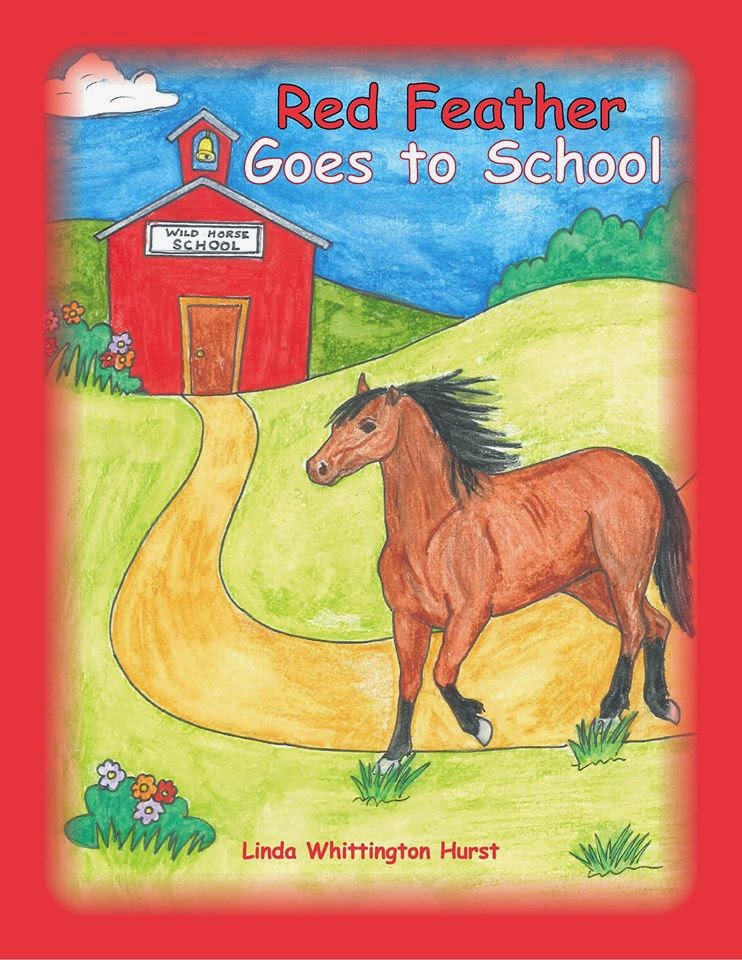
With enough dedication to learning anyone can come to understand horses nearly as well as does the little girl in this picture above. Its never too late to learn and it is never to early to start learning.